Your team

Meet the Laser Hair Removal Team

The Plastic Surgery & Aesthetics Medical Center at Chongqing West District Hospital is led by four consultants working inside a tertiary general hospital. Ke He, MD, is responsible for the medical review of this site. A hair removal decision genuinely involves the other three — the dermatological view on why the hair is growing and how skin will respond, the assessment of anything in the treatment field that needs a diagnosis, and the honest answer when no method delivers what a patient is asking for.

Specialist profiles

Who reviews this content

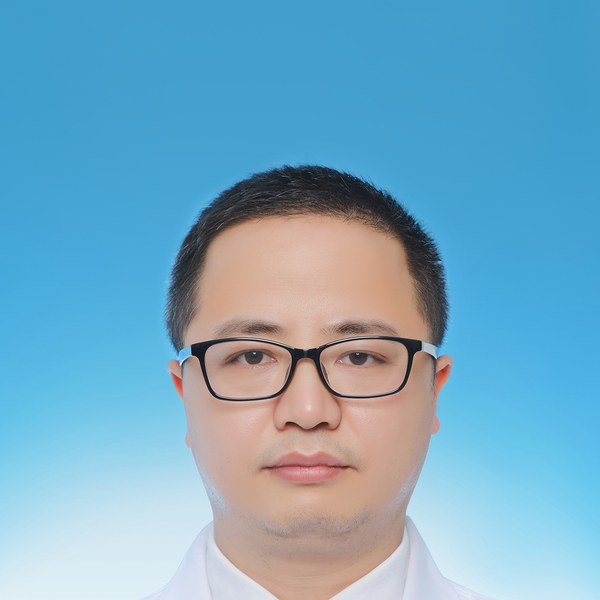
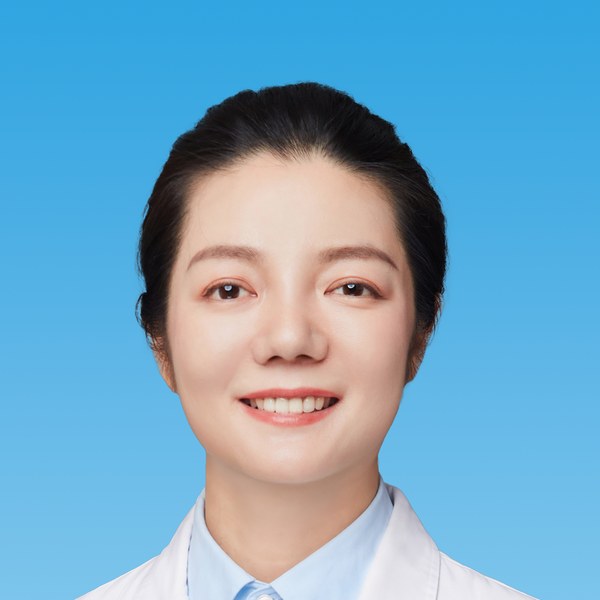
Ke He

Ke He (何锞)

Deputy Director & Head of Skin & Laser Aesthetics · Attending Physician, Licensed Aesthetic Attending · Lead Physician of This Site

Hair and skin assessment before light-based treatment · hair growth cycles and hormonal causes · laser safety in darker skin

Dr. Ke He is Deputy Director of the Plastic Surgery & Aesthetics Medical Center at Chongqing West District Hospital and head of its skin and laser aesthetic service — and she is the lead physician of this site. A core specialist formerly at the Plastic and Aesthetic Surgery Department of Xinqiao Hospital, affiliated with Army Medical University, she has worked on the clinical front line in skin laser and injectable aesthetics for more than 20 years, serving over ten thousand patients.

Her starting point is the hair itself. Colour, coarseness and where the growth sits decide whether a single wavelength has anything to absorb, because coarse dark hair is the reliable target and pale, white and grey hair is not. The skin comes next: how dark it is, how it has behaved after sun, injury or previous laser treatment, and whether it can take the energy a plan would pass through it. Then the history, because hair that arrived suddenly, thickened over months or came with a change in periods, weight or skin is a different problem, and the honest sequence is to assess that cause before selling sessions for the hair. Only after those three does she put a session count and an interval in front of a patient, together with what reduction means for that particular area and what she would advise instead where laser is the wrong method.

Clinical focus

  • Hair and skin assessment before any light-based treatment is planned, including hair colour and coarseness
  • Hair growth cycles, and why session spacing follows them rather than convenience
  • Recognising hair with a hormonal cause, and referring for that assessment before treatment
  • Laser safety in darker skin, including pigment risk and the limits of what should be treated
  • Judging whether reduction is a realistic goal for a given area, and saying when it is not

Academic roles & achievements

  • Member, Laser Medicine Group, Chinese Medical Association Plastic Surgery Branch
  • Member, Facial Rejuvenation Group, Chinese Medical Association Plastic Surgery Branch
  • Member, Chongqing Plastic Surgery Quality Control Center
  • Published 5 papers, holds 5 national patents, and introduced 2 new clinical techniques

Reduction is the honest word

A course of laser hair removal lowers density and slows regrowth, and for many areas that is a substantial change worth having. It does not clear an area for good, fine hair often remains, and hair with a hormonal cause returns whatever the treatment does. A patient who is told that before the first session is being given something more useful than a session count.
Shaoliang Wang

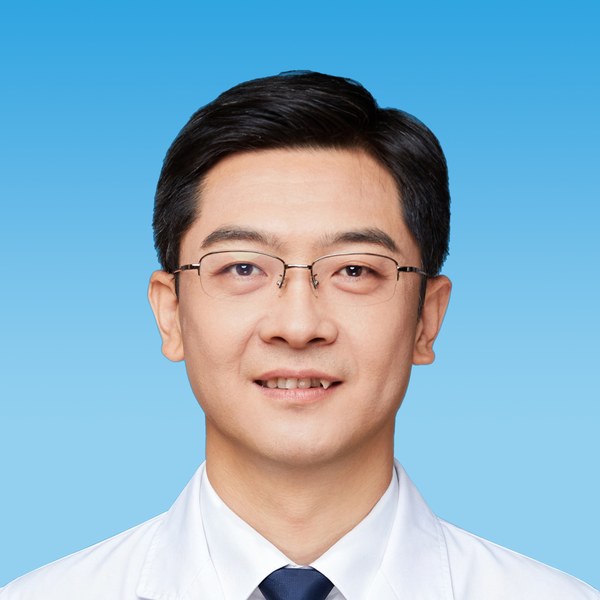
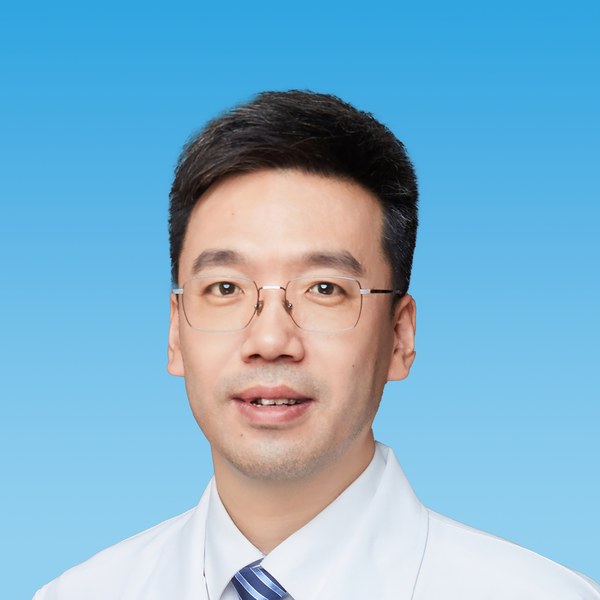
Shaoliang Wang (王韶亮)

Director, Plastic Surgery & Aesthetics Medical Center · Vice Chief Physician, Associate Professor, Doctor of Medicine

Plastic surgery · assessment of lesions in the treatment field · hospital-level complication care

Dr. Shaoliang Wang is Director of the Plastic Surgery & Aesthetics Medical Center at Chongqing West District Hospital. Within the team he provides the surgical perspective and the tertiary-hospital backstop — the assessment when an operation is the honest answer, and the hospital-level care for the rare complication that needs it.

A mole, a lesion or a tattoo inside the area to be treated is not a detail. His part of the assessment is whether anything there needs a diagnosis of its own before a handpiece passes over it, and whether what a patient is describing as unwanted hair has a cause that surgery rather than light should be looking at. He also carries the hospital-level backstop when a treatment burns skin or an area becomes infected.

Clinical focus

  • Center leadership and multidisciplinary case review
  • Surgical assessment when an operation is the honest answer to descent or excess skin
  • Hospital-based care for the rare complication that needs theatre-level management
Tongchun Mao

Tongchun Mao (毛彤春)

Deputy Director & Head of Aesthetic Surgery · Vice Chief Physician, Licensed Aesthetic Attending

Aesthetic surgery · refinement · honest referral

Dr. Tongchun Mao is an aesthetic surgeon within the Plastic Surgery & Aesthetics Medical Center at Chongqing West District Hospital. Within the team his role is refinement and honest referral: he is the person who says so when an operation will do better than an injectable or a device.

Some patients arrive asking for something no method delivers, and the useful conversation is the one that separates what can be reduced from what cannot. His part of the work is the expectation as much as the technique: an area that was never going to clear will not clear, hair with a hormonal cause returns, and the methods that remove hair at the root are uncomfortable, temporary and sometimes the better answer. A team that practises this under one roof has no reason to keep selling sessions for a result that was never available.

Clinical focus

  • Aesthetic surgical assessment and refinement of contour and asymmetry
  • Honest referral when surgery outperforms a course of injections
  • Shared case planning within the four-physician team
Yongbo Jia

Yongbo Jia (贾勇波)

Deputy Director & Head of Dermatology · Vice Chief Physician, Licensed Aesthetic Attending

Dermatology · hair and scalp diagnosis · pigment and skin health

Dr. Yongbo Jia is a dermatologist within the Plastic Surgery & Aesthetics Medical Center at Chongqing West District Hospital. Within the team his role is medical skin assessment — diagnosing and managing pigment and barrier conditions, and treating skin that a device or an injection has irritated.

Hair growth that changes pattern, thickens or appears suddenly is a dermatological question before it is a hair removal question, and his part of the assessment is deciding when that is the case and what to look for. Pigment is the other half: treated skin can darken or lighten after laser, and the darker the skin the more carefully the risk has to be weighed and managed. When skin has been burned or irritated by a session, his part of the work is calming it and deciding when, if ever, further treatment is appropriate.

Clinical focus

  • Medical skin assessment behind injectable treatment plans
  • Diagnosis and management of pigment and barrier conditions
  • Dermatologic care of skin after irritation or a delayed reaction

Is laser hair removal the right plan for your hair and your skin?

An assessment starts with the hair and the skin, not with a package. We will say plainly whether your hair carries enough pigment for the light to find it, how many sessions and how many months a realistic plan runs to, what the risks are in your skin, and what we would advise instead if laser is not the answer.

Contact the Team